
What Makes 9mm Luger the Most Popular Handgun Round
The Best 9mm Ammo for Target Practice, Home Defense, and Carry
The 9mm round was introduced in 1902 by Georg Luger, yet over a century later it remains the world’s most widely used handgun cartridge. Its jacketed bullet engages the barrel’s rifling to spin, while the propellant burns to generate high-pressure gas that drives the projectile at supersonic speeds. This combination delivers a balanced blend of manageable recoil and reliable stopping power for both self-defense and target shooting. For best accuracy, always match the bullet weight—such as 115, 124, or 147 grains—to your firearm’s twist rate and intended purpose.
What Makes 9mm Luger the Most Popular Handgun Round
The 9mm Luger’s dominance in 9mm ammo stems from a perfect balance of ballistic efficiency and practical shootability. Its manageable recoil allows for faster follow-up shots and tighter shot placement, which is critical for defensive use. The cartridge’s case design feeds reliably in nearly every semi-automatic pistol, from compact carry guns to full-size competition models. 9mm Luger offers a wide selection of bullet weights—typically 115 to 147 grains—and pressure profiles, letting you tailor 9mm ammo for penetration, expansion, or reduced muzzle flip. Its higher magazine capacity compared to .45 ACP or .40 S&W gives you more rounds on target without sacrificing terminal performance. For target practice, the round’s accuracy and consistent ballistics translate directly to cheaper, more plentiful practice ammunition that mirrors your defensive loads. Ultimately, no other handgun round delivers this combination of capacity, controllability, and proven stopping .223 Ammo for Sale power in a package that works across all skill levels.
Ballistic Performance: Balancing Recoil, Velocity, and Stopping Power
The 9mm Luger’s ballistic performance hinges on a deliberate balance between recoil, velocity, and stopping power. Its standard 115–124 grain loads achieve a muzzle velocity of 1,100–1,200 fps, generating manageable recoil that allows quick follow-up shots. This velocity, combined with bullet expansion, delivers adequate penetration (12–18 inches in ballistic gel) for reliable defensive stopping power. Heavier 147-grain subsonic rounds trade speed for reduced recoil, while +P loads boost velocity and energy but increase muzzle flip, requiring more grip strength for control.
- Recoil impulse is roughly .243 Ammo for Sale 30–40% lower than .40 S&W, enabling faster target reacquisition.
- Velocity drop beyond 50 yards is minimal, 9x23mm Winchester Ammo for Sale preserving flat trajectory for practical accuracy.
- Stopping power relies on bullet design (hollow points) more than raw energy transfer.
- Lighter bullets favor higher speed; heavier bullets favor deeper penetration.
Why 9mm Beats .40 S&W and .45 ACP for Most Shooters
For most shooters, 9mm beats .40 S&W and .45 ACP because it delivers comparable defensive ballistics with noticeably less recoil, allowing faster follow-up shots and tighter groups under stress. 9mm’s higher magazine capacity outweighs the marginal diameter advantage of larger calibers, especially with modern expanding ammunition that closes the performance gap. The .40’s snappy impulse and the .45’s heavy push both encourage flinching, while 9mm’s manageable muzzle rise keeps sights on target. *It also costs significantly less per round, enabling more frequent practice that builds the muscle memory critical for real-world accuracy.* Lighter recoil reduces fatigue during long range sessions, making 9mm the pragmatic choice for skill development and defensive reliability.
Pressure Ratings and How They Affect Your Firearm’s Lifespan
The 9mm Luger’s SAAMI pressure ceiling of **35,000 psi** defines its lifespan boundary. Firing factory ammunition that consistently exceeds this rating—such as “+P” loads pushing toward 38,500 psi—accelerates bolt face erosion and unlocks premature slide cracking. Conversely, standard-pressure rounds generate lower peak stress, preserving recoil spring tension and locking lug engagement over thousands of cycles. Repeated high-pressure firing also stresses the chamber’s heat-treat layer, leading to case head support deformation. Practical longevity hinges on matching in-box pressure specs to your firearm’s design, not just its caliber stamp. A gun rated for standard pressure will lose accuracy and reliability faster when fed hot ammo. Pressure ratings dictate the fatigue limit of your slide’s metal, so chronic over-pressure exposure shortens service life. Always verify the printed rating on your barrel and slide before choosing self-defense or practice loads.
Pressure ratings are the mechanical governor of your firearm’s lifespan; respecting SAAMI’s 35,000 psi limit prevents accelerated wear and failure.
Choosing Between Full Metal Jacket and Hollow Point Loads
For your 9mm handgun, the choice between full metal jacket (FMJ) and hollow point (HP) loads hinges entirely on purpose. **9mm FMJ ammo** is your training and competition staple, offering reliable feeding, deep penetration through barriers, and the lowest cost for high-volume practice. However, its solid construction over-penetrates soft tissue, making it a poor defensive choice. Conversely, **9mm hollow point loads** are engineered to expand upon impact, transferring maximum energy and stopping threats quickly while dramatically reducing the risk of collateral damage. For concealed carry or home defense, the hollow point’s superior terminal performance is non-negotiable. Trust your FMJ rounds to build proficiency, but load your magazine with quality hollow points when your life depends on it.
FMJ for Range Practice: Penetration, Cost-Effectiveness, and Reliability
For range practice, FMJ 9mm rounds deliver the ideal blend of penetration, cost-effectiveness, and reliability. Their full copper jacket prevents lead fouling in your barrel, which keeps feeding smooth even after hundreds of rounds. The hard nose penetrates paper and steel targets cleanly, punching crisp holes that are easy to read for scoring. Since they lack a hollow point’s expanding cavity, they also push through cardboard backers without shredding them, saving you setup time. Bulk pricing makes FMJ far cheaper than defensive loads, so you can burn through more ammo per session. *Expect occasional feed failures with finicky guns, but quality brands mitigate this almost entirely.*
JHP for Self-Defense: Expansion Characteristics and Barrier Performance
For 9mm self-defense, JHP expansion characteristics and barrier performance determine effectiveness. Upon impact, the hollow point’s cavity hydraulically forces the jacket petals to flare, increasing diameter from ~9mm to 12–15mm—provided velocity exceeds roughly 950–1000 fps. This expansion creates a larger permanent wound cavity while reducing over-penetration risk. However, barriers alter performance: heavy clothing can clog the cavity, delaying expansion; auto glass and drywall often strip the jacket, causing fragmented or reduced penetration. Firing through thick denim or plywood may yield minimal expansion while still passing through, so ballistic gel tests should replicate layered clothing and intermediate barriers. For consistent terminal behavior, choose loads with bonded cores or barrier-tuned designs. Expansion sequence:
- Impact triggers hydraulic pressure in the cavity.
- Petals peel outward, enlarging diameter.
- Barrier contact may 7.62 Tokarev Ammo for Sale inhibit or disrupt this process.
Verify your chosen 9mm JHP against FBI-style protocols to confirm reliable expansion bulk ammo for sale after impediments.
Understanding Bullet Weights: 115gr vs 124gr vs 147gr for Different Uses
When picking 9mm ammo, bullet weight changes how the round feels and performs. 115gr loads are snappy and flat-shooting, making them a budget-friendly favorite for range practice and quick target acquisition. Stepping up to **124gr** offers a softer recoil impulse than 115s while maintaining a solid balance of speed and energy, which is why many shooters prefer them for defensive carry and competition alike. The heavy **147gr subsonic** rounds excel in suppressed use, cycling quietly and smoothly, but their slower velocity means more noticeable muzzle rise if you’re not used to the push. Match the weight to your task—fast training, balanced carry, or quiet shooting.
115gr for speed and practice, 124gr for carry and competition, 147gr for suppressed and subsonic use—choose by your goal, not hype.
How to Match Your Pistol to the Right Ammunition Load

Matching your 9mm pistol to the right ammunition load starts with checking the barrel stamp for pressure ratings—standard loads for most firearms, +P for reinforced slides, and +P+ only if the manufacturer explicitly approves it. For defensive use, select a 124-grain jacketed hollow point with proven expansion at typical barrel lengths; for competition, a 147-grain flat-point reduces recoil impulse. Always run a box of your chosen carry load through the gun to confirm reliable feeding and lock-back, since extractor tension and feed ramp geometry vary by model. Never assume a hotter load increases stopping power—it often causes malfunctions and accelerated wear. Q&A: How do you test compatibility? Fire 50 rounds of the exact defensive load, checking for primer flattening or case bulging; if none appear, it’s safe for daily carry.
Subcompact vs Full-Size: Spring Rates and Optimal Pressure Curves
Subcompact pistols use shorter slides and tighter recoil spring channels, which require higher spring rates to manage slide velocity with standard-pressure 9mm loads. Full-size pistols, with longer slides and heavier frames, can run lighter springs and benefit from lower peak pressure curves for smoother cycling. When selecting ammunition, subcompacts need loads with consistent, early pressure spikes to fully compress their stiff springs, while full-sizes tolerate slower-burning powders that produce sustained pressure. Optimal pressure curves differ: subcompacts prefer fast, sharp peaks; full-sizes favor gradual, extended ones. Mismatching these causes failures to return to battery or slide battering.

Q: Should I change recoil springs when switching between subcompact and full-size for the same 9mm ammo? Yes—swap to a heavier spring for subcompacts or a lighter one for full-sizes, and verify the ammo’s pressure curve matches your gun’s slide mass to avoid cycling issues.
Suppressed Shooting: Selecting Subsonic Rounds That Cycle Correctly
For suppressed 9mm shooting, subsonic rounds that cycle correctly require balancing bullet weight against your pistol’s recoil spring. Standard 115-grain loads often fail to lock the slide back due to insufficient gas pressure when paired with a suppressor. Choose 147-grain or heavier flat-nose projectiles, which stay below the sound barrier (roughly 1,050 fps) while generating enough backpressure. Test your firearm with a recoil spring rated 8–10 pounds; too stiff a spring causes stovepipes, too light causes premature slide return. Also verify the ammunition’s muzzle velocity across your actual barrel length—shorter barrels may drop velocity below reliable cycling thresholds. Always confirm function .260 Remington Ammo for Sale with at least 100 rounds through your specific suppressor and pistol combination.
Q: Why don’t all 147-grain subsonic rounds cycle in a suppressed pistol?
A: Because slide velocity depends on the powder burn rate and suppressor’s internal volume, not just bullet weight. Slow-burning powders create a longer pressure spike, while low-volume suppressors increase backpressure—both affect bolt unlock timing. Match your ammunition’s power factor (above 125, ideally 130–135) with a standard-weight or slightly reduced recoil spring to ensure reliable ejection and slide lock.
Accuracy vs Lethality: Which Load Delivers Both in Real-World Conditions
Balancing accuracy and lethality in 9mm loads demands scrutinizing bullet weight against barrel length. A 124-grain jacketed hollow point often achieves real-world defensive balance—its recoil impulse is manageable for rapid follow-up shots, while penetration and expansion remain consistent from compact barrels. Lighter 115-grain loads may track flatter, but they can under-penetrate through heavy clothing; heavier 147-grain subsonics excel in suppressed platforms yet produce a slower slide cycle that disrupts sight alignment under stress. Testing your specific firearm’s POA/POI shift at 10–15 yards reveals which weight yields tightest groups without sacrificing terminal effect. The true metric is not raw velocity but the intersection of shot placement and tissue disruption at combat distances.
Accuracy means repeatable hits; lethality means reliable expansion and depth—the best 9mm load is one that does both from your actual muzzle length, not just on paper.
Practical Tips for Storing and Preserving Your Cartridges
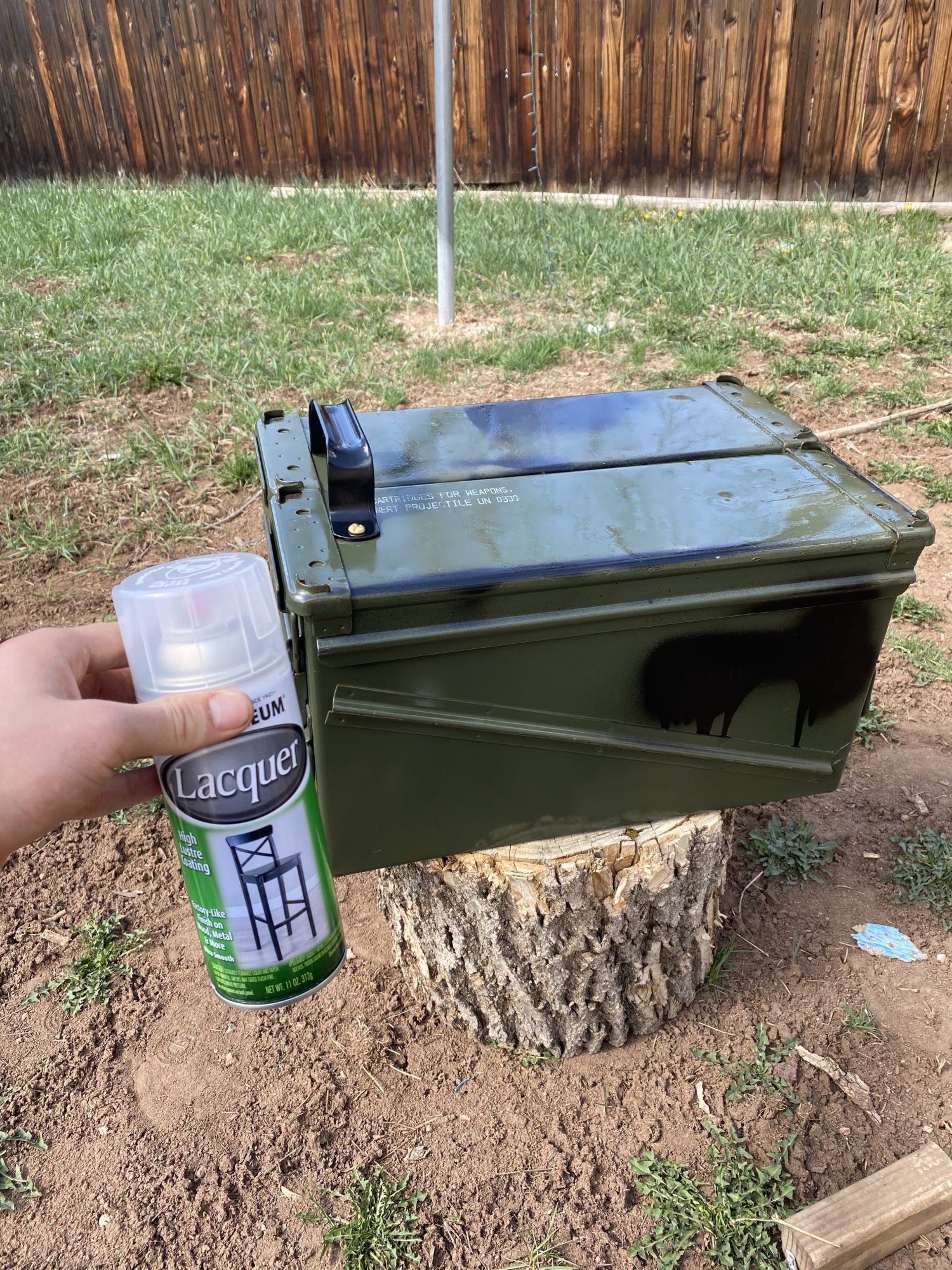
For 9mm ammo, keep it in a cool, dry place—a closet or interior cabinet beats a garage that swings in temperature. Use the original factory boxes or a dedicated ammo can with a desiccant pack to ward off humidity, which is the main culprit behind corroded primers. When you pull rounds from a magazine after range day, rotate your stored stock so older boxes get used first, preventing decades-old ammo from becoming range fodder. Avoid leaving loose 9mm in a pocket or range bag where sweat and lint can cling to the brass. Check your stash twice a year for tarnish or green spots on the case mouths—if you see any, clean the box and isolate the affected rounds. *A slightly oiled rag wiped over the outside of sealed boxes adds an extra barrier without ever touching the ammunition itself.* Seal everything tightly, and your 9mm will fire reliably long after you’ve forgotten the purchase date.
How Long Does It Last? Shelf Life, Moisture Exposure, and Corrosion Signs
Factory-new 9mm ammo stored in stable, low-humidity conditions typically maintains reliable ignition for decades, often 30+ years. **Shelf life is primarily dictated by environmental stress**, not time alone. Moisture exposure is the critical enemy: humidity infiltrates case mouths and primers, accelerating corrosion of the brass case, lead bullet, and steel primer cups. Visible signs include green or white powder on brass, dark pitting on casings, or a rusty ring around the primer. Check for tarnished projectile surfaces or stiff extraction during cycling after long storage. Corrosion signs indicate compromised internal components, risking misfires or squibs.
| Condition | Effect on 9mm Shelf Life | Key Corrosion Sign |
|---|---|---|
| Dry, cool (40–70°F, <40% rh)< td> | 30+ years functional | None if sealed |
| Humid >60% RH, temperature swings | 2–5 years before risk | Green/white residue on brass |
| Direct water contact | Immediate damage within days | Rust streaks, primer pitting |
Safe Storage Temperatures and Containers That Prevent Primer Deterioration

Store 9mm cartridges in a cool, dry environment between **55°F and 75°F**—temperatures above 120°F accelerate chemical breakdown of lead styphnate in primers, causing misfires. Use airtight, impact-resistant containers such as MTM or Plano brand ammo boxes, which seal out humidity spikes that corrode primer compounds. Avoid metal tins, as condensation forms on interior walls during temperature shifts. Add silica gel desiccant packs 7.5×55 Swiss Ammo for Sale inside the container to absorb residual moisture. Never store rounds in direct sunlight or near heat vents. A stable thermal range, paired with rigid polymer storage, preserves primer sensitivity for decades.
Safe storage hinges on keeping 9mm primers below 75°F in sealed polymer boxes with desiccants—heat and humidity are the primary enemies of primer stability.
Inspecting for Setback and Other Handgun-Specific Malfunction Risks
When inspecting stored 9mm rounds for handgun-specific risks, prioritize case mouth setback, where the bullet is pushed deeper into the casing by repeated chambering. Measure overall length with calipers; any reduction exceeding 0.010 inches from factory spec indicates setback. Discard these rounds immediately, as they can spike pressure dangerously. Also, examine the case mouth for a rolled or deformed edge, which causes feeding failures in tight barrel throats. Check the 6mm Creedmoor Ammo for Sale primer pocket for protrusion—a high primer can cause slam-fires in striker-fired guns. Visually verify the extractor groove is clear of debris or burrs, which can induce stovepipes. Rotate your carry magazine’s top round monthly to prevent bullet setback from spring compression, and always drop-test a single round in your barrel to confirm it seats flush and extracts freely.
Common Mistakes When Buying Bulk Rounds and How to Avoid Them
When buying 9mm ammo in bulk, the most frequent mistake is prioritizing price per round over bullet weight consistency, mixing 115-grain and 124-grain loads in one case, which ruins your zero and causes erratic recoil patterns. Avoid this by verifying the entire lot’s headstamp and grain count before purchasing. Another common error is ignoring primer type—stockpiling hard-primer rounds meant for carbines can cause light strikes in striker-fired pistols. Always confirm the box states “pistol-safe” primers. Finally, buyers overlook sealed primer and case neck varnish for stored bulk ammo, leading to moisture-damaged powder. Choose jacketed hollow points for defense only, and reserve full metal jacket for practice—don’t mix uses in one bulk order to ensure reliable function.
Reading the Box: Grain Count, Velocity Ratings, and Brass vs Steel Cases
When you’re buying bulk 9mm, the box tells you everything if you actually read it. A **115-grain vs 147-grain load** changes recoil and suppression behavior drastically, so match grain to your pistol’s twist rate. Velocity ratings matter because faster rounds can keyhole in barrels shorter than 4 inches, while subsonic loads stay quiet only if the box says under 1,050 fps. Brass cases are reloadable and expand better for chamber sealing, but steel cases save money and run fine in most Glocks—just expect more carbon fouling and potential extractor wear. Don’t assume “new” means premium; check headstamp consistency.
- Grain count affects felt recoil and drop—115gr for range, 147gr for suppressed use.
- Velocity under 1,000 fps won’t cycle some stiff recoil springs reliably.
- Steel case ammo often has lacquer or polymer coating—skip if your gun has tight tolerances.
- Brass cases with crimped primers can be harder to reload, but they’re gentler on your .22-250 Ammo for Sale extractor.
When to Choose Remanufactured Ammo and When to Avoid It Completely
Choosing remanufactured 9mm is a smart move for high-volume range practice when you’re on a budget, especially if you’re just burning through rounds for trigger reps—but only if you buy from a reputable loader with strict QC. Avoid it completely for self-defense or carry ammo, since the pressure variations and case reuse can cause failures exactly when you need reliability. Also, skip it if your gun is finicky or has a tight chamber, as reman often fails to feed. For plinking, stick to brass-cased reman over steel, and always test a box first.
- Inspect every round for cracks or dents.
- Run 50 through your specific pistol.
- If any hiccup, switch to new factory loads.
Failure-to-Feed Fixes: Matching Your Magazines to a Consistent OAL
When bulk 9mm rounds cause failure-to-feed, the culprit is often a mismatch between bullet seating depth and magazine geometry. Bulk ammo frequently varies in overall length (OAL) by several thousandths, but your magazine’s feed lips and follower have a fixed tolerance window. A round loaded 6mm ARC Ammo for Sale too long will bind against the front of the magazine body, while too-short rounds allow the nose to dip, causing the slide to strip it at the wrong angle. Measure OAL across a sample batch first—consistent rounds, typically between 1.140 and 1.155 inches, feed reliably in Glock and CZ magazines. Then test your specific magazines with a dummy round of that exact OAL. If the round hangs, trim the OAL or replace worn feed lips. Matching your magazines to a consistent OAL eliminates 90% of feed failures before they jam your slide.
Fix failure-to-feed by verifying your bulk 9mm rounds share a single OAL and that this length falls within your magazine’s feed lip tolerance—adjust seating depth only after confirming magazine fit.